

Fabrica news
Introducing our Chief Medical Officer
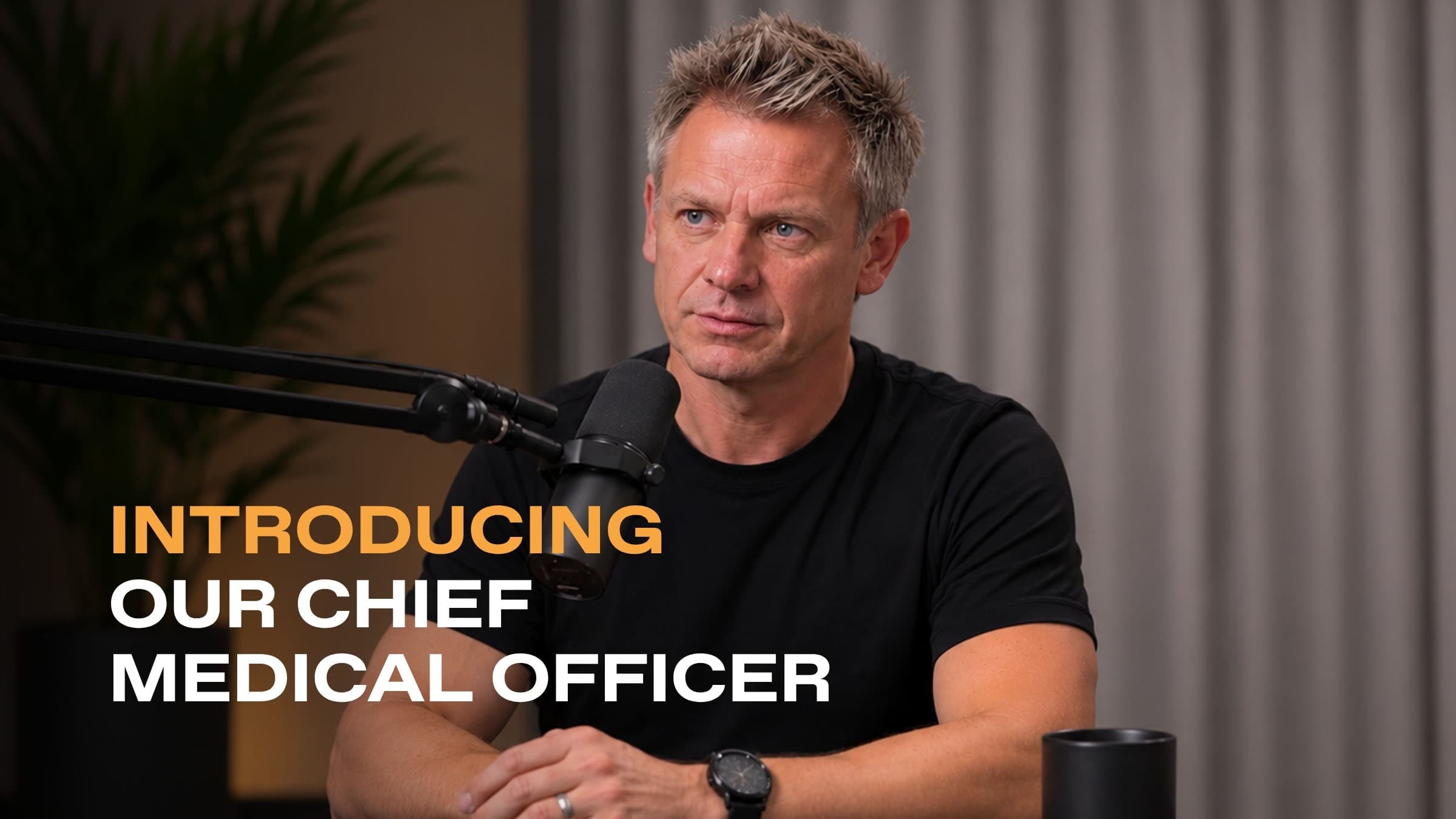
Dr Brett Gerrard leads Fabrica's clinical approach. He's the standard behind every clinical review.
Brett has spent more than two decades as an emergency medicine specialist in the UK, Australia and most recently at Middlemore Hospital in South Auckland. It was here that his interest in preventive and longevity medicine really began.
"So much of what we do in an emergency department is reactive medicine," he says. "It's the ambulance at the bottom of the cliff. We're responding to conditions that were probably years in the making, and only intervening at the point where everything is crashing downhill."
He has seen firsthand how easily health can decline when small issues, such as poor sleep and unhealthy eating habits, develop gradually and go unrecognised. Today, chronic disease, obesity, and inactivity are impacting younger generations more than ever before. “By improving education and helping people become more aware of their physical and mental health, we can support lasting behaviour change and make a real difference.”
Medicine that builds capacity
Brett's thinking has been shaped by how much our understanding has changed. "Concepts like chronic inflammation weren't really taught to us at med school," he says. "Now we understand that inflammation drives so many disease processes. If we can address it early through diet, sleep, exercise and the right therapies, we can prevent many chronic conditions from developing in the first place."
Alongside his clinical work, Brett holds postgraduate qualifications in aviation medicine and clinical education and recognises the importance of strong clinical governance and medical leadership. At Fabrica, he maintains this approach, ensuring care is rigorous, evidence-informed and deeply considered.
The future of healthspan
Brett is fascinated by the rapid advances being made in longevity medicine, from breakthroughs in preventive health and diagnostics to emerging therapies that may one day truly extend human lifespan.
However, he believes the real measure of success is not simply how long we live, but how well we live. Extending lifespan has little value if those additional years are burdened by illness, disability, or declining independence.
For Brett, the real goal is improving healthspan: the number of years a person remains healthy, active, and able to enjoy life to its fullest. By focusing on factors such as nutrition, sleep, physical activity, mental wellbeing, and early detection of disease, he sees an opportunity to help people not only live longer, but maintain vitality, purpose, and quality of life well into older age.
He's equally clear that healthspan means something different to everyone. "For one person, it may be standing on the podium at a Hyrox race at 50. For another, it's swimming with dolphins off the coast of Africa at 82. For someone else, it might be simply playing with their grandkids or walking home from the supermarket carrying their groceries at 100."
Practising what he prescribes
Now in his sixth decade, Brett has no interest in accepting decline as inevitable. He's focused on maintaining and optimising his own health and wellbeing while keeping a close eye on cutting edge medical healthspan breakthroughs and innovations.
His inspiration is close to home. His father, a former Olympic swimmer, is 82 and still swims 2.5 km in the ocean most days. "Part of that is genetics," Brett says. "But part of it is living a healthy life, and being aware of everything from your diet to your sleep to your mental and physical wellbeing."
“I truly believe medicine should extend beyond treating disease to proactively building health, resilience, and longevity. The goal isn't simply to add years to life, but to add life to years, and that's something every person has the capacity to achieve.”